Ever wish you could park once, put your keys away, and let the rest of the day unfold on foot? That is a big part of what draws people to downtown Mill Valley. If you are curious about what this lifestyle actually feels like, this guide will walk you through the rhythm of daily life, the tradeoffs that come with living close in, and the kinds of homes that often fit the experience. Let’s dive in.
Downtown Mill Valley Feels Like a Village
Downtown Mill Valley works differently than a typical car-first shopping district. The city describes the core around Throckmorton, Lovell, and Blithedale Avenues, with activity centered near Lytton Square and Depot Plaza, as a walkable area with vibrant storefronts, limited setbacks, and parking mostly behind buildings.
That layout matters because it changes how your day feels. Instead of driving from one stop to the next, you can move through a connected set of blocks that feels more like a village center. Coffee, errands, community spaces, and evening plans sit within the same general circuit.
The residential edge is part of that same fabric. According to the city, downtown and nearby blocks include apartments, condos, small cottages, single-family homes, and some of Mill Valley’s older homes, which adds to the close-knit, mixed, lived-in feel.
A Morning Can Start Close to Home
One of the biggest appeals of walkable living is how simple everyday routines can feel. You might start with coffee at Depot Bookstore & Cafe on Throckmorton or Equator Coffees & Teas on Miller, then continue your morning with a few quiet minutes in Lytton Square.
The city describes Lytton Square as a historic space and an informal gathering spot. In real life, that can mean coffee in hand, a quick conversation with a neighbor, or just a place to pause before the rest of your day begins.
That kind of convenience is hard to measure on paper, but easy to feel in person. When your first stop is a short walk away, the day tends to open up a little differently.
Civic Spaces Add Everyday Ease
Downtown Mill Valley is not only about shops and restaurants. The Mill Valley Public Library on Throckmorton gives the area a civic-center feel, and the city has extended public Wi-Fi into parts of the plaza area, including from Lytton Square to the Gravity Car and the median between the Depot and Peet’s.
That creates a downtown environment where you can do more than run errands. You can read, meet someone, work for a bit outside, or simply spend time in a public space that feels active and useful.
Errands Fit Into the Same Loop
A walkable neighborhood works best when daily tasks blend naturally into the day. In downtown Mill Valley, specialty retail is woven into the same few blocks, so a coffee stop, a browse through local shops, and a simple errand can all happen in one outing.
That mix is part of why the area feels practical, not just charming. You are not walking for the sake of walking alone. You are moving through a place where everyday needs and small pleasures happen close together.
Evenings Stay Close to Home
Walkable living is not only about mornings. It also changes how your evenings unfold. In downtown Mill Valley, arts programming and event spaces are part of the same plaza-and-street network you already use during the day.
The city’s Arts Commission sponsors programs such as the First Tuesday ArtWalk, monthly exhibits at City Hall and the Community Center, Concerts in the Plaza, and Comedy in the Plaza. That helps the area feel active without asking you to plan around a long drive.
You may find that dinner, a performance, and a walk home can all fit into one easy evening. That kind of rhythm can make the neighborhood feel more connected to your daily life, rather than somewhere you only visit on weekends.
Music and Theater Are Part of the Circuit
Sweetwater Music Hall and Throckmorton Theatre sit within the same downtown walking loop as restaurants, dessert spots, and public gathering spaces. That means an evening out can stay compact and low-stress.
Even when there is no formal event on your calendar, the public realm still feels engaged. The city’s rotating art program in Depot Plaza helps keep downtown visually active, even during an ordinary stroll.
Outdoor Access Feels Surprisingly Close
One of the most distinctive parts of Mill Valley living is how quickly downtown life can connect to the outdoors. California State Parks says Mount Tamalpais has more than 60 miles of hiking trails linked to a 200-mile regional trail system, and it highlights the Dipsea and Steep Ravine route to Stinson Beach as a classic day hike.
That proximity can make outdoor recreation feel routine instead of aspirational. A trail day does not always need a big plan when access is so close to town.
The National Park Service also notes that Muir Woods can be reached on foot via the Dipsea Trail, and the Dipsea Race starts in downtown Mill Valley. For many buyers, that connection between downtown and trail culture is a major part of the appeal.
Transit Adds Another Layer of Convenience
Walkability does not mean you have to give up regional access. Golden Gate Transit Route 114 serves Mill Valley and San Francisco, while Marin Transit Route 17 connects Mill Valley with Sausalito and the San Rafael Transit Center through the Mill Valley Depot.
If you want options beyond driving, that matters. It gives downtown a more flexible feel, especially for people who value the ability to combine local living with broader Bay Area access.
Park Once, But Know the Nuance
The phrase “park once” captures a lot of the appeal here, but it is only part of the story. Downtown Mill Valley is walkable, yet that convenience still depends on how parking is managed.
The city’s RSVP permit program is designed to let nearby residents shop, eat, and visit downtown by parking in metered spaces for up to the usual time limit. The city also maintains more than 110 designated employee parking spaces in downtown and on Miller Avenue.
In other words, the area is not car-free. It is better understood as a place where you may still use a car, but you do not need it for every small part of the day.
Homes Near Downtown Come With Tradeoffs
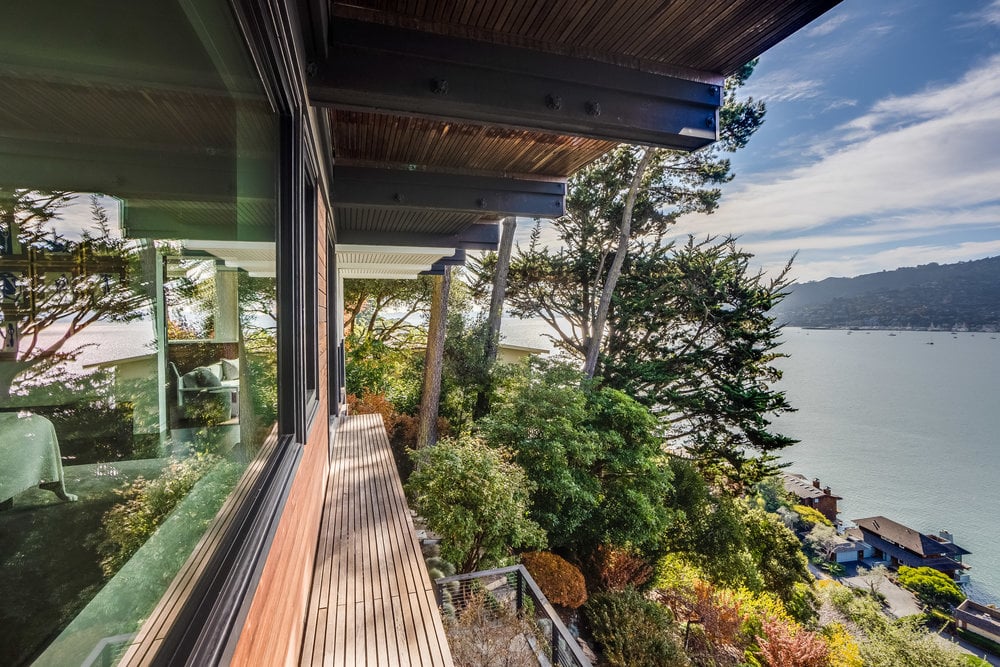
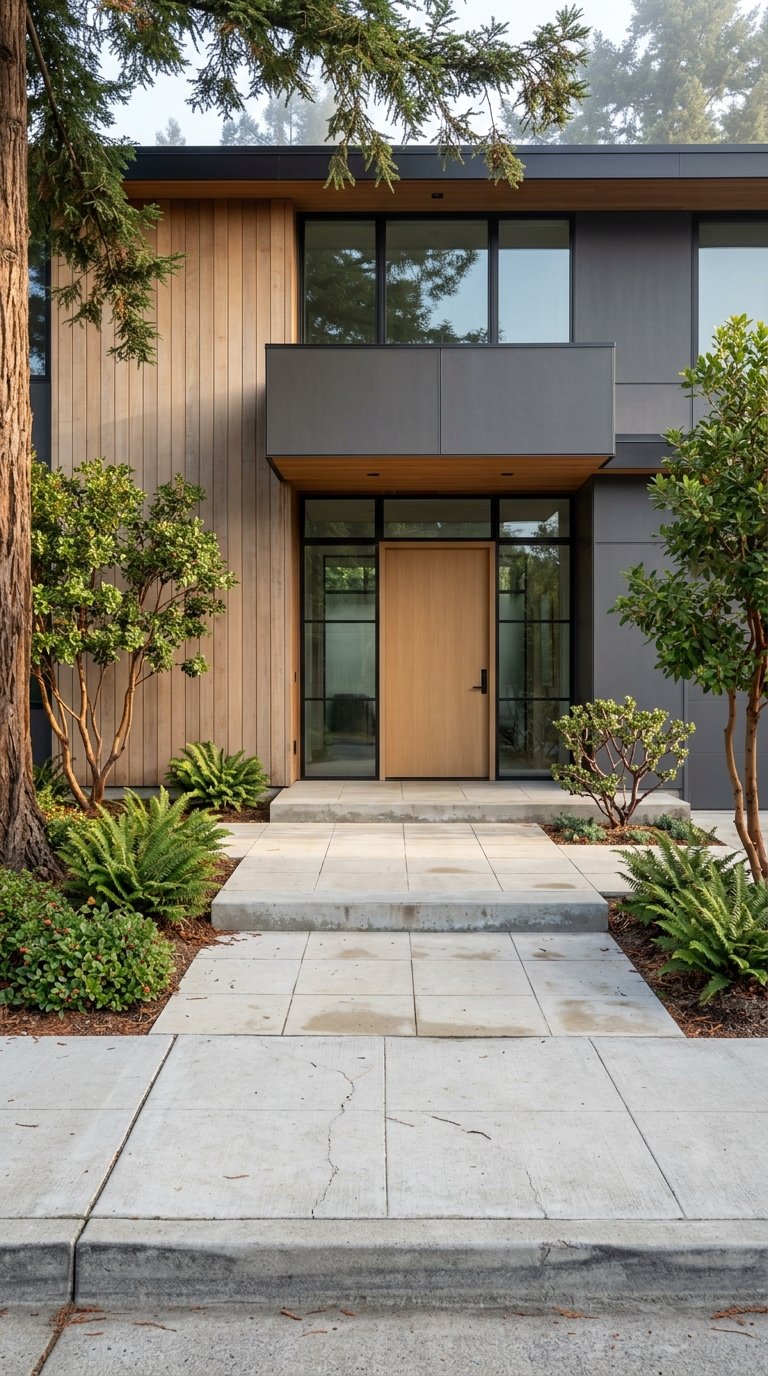
If you are drawn to this lifestyle, the homes that support it tend to share a few traits. The city describes downtown-adjacent residential areas as mixed, older, and close-in, with narrow lots, sloped streets, and a range of housing types including single-family homes, condos, apartments, and small cottages.
That mix is part of what gives the area character. It also means your home search may feel less like comparing similar subdivisions and more like weighing different priorities.
What Buyers Often Balance
The closer you are to the center, the more likely you are to have easy access to coffee, the library, arts programming, plazas, and trail connections. At the same time, you may also be looking at smaller lots, less driveway convenience, and steeper terrain.
For many buyers, the real question is not whether downtown living is appealing. It is which tradeoffs feel worthwhile for the way you want to live.
Here are a few of the common balances to think through:
- Convenience vs. privacy
- Close-in location vs. parking ease
- Character homes vs. more modern layouts
- Walkability vs. topography
- Smaller lot size vs. daily access to downtown amenities
This is where local insight really matters. Two homes may be just a few blocks apart, yet feel very different day to day depending on slope, street width, parking setup, and how directly they connect to downtown.
Walkable Living Is Really About Rhythm
What makes downtown Mill Valley special is not just that you can walk places. It is that walking becomes part of your daily rhythm. Coffee can lead to a stop at the library, an errand can turn into a conversation in the square, and an evening out does not have to feel like a production.
That does not mean every home near downtown is the right fit for every buyer. But if you value being able to move through your day with more ease, more connection, and less time in the car, this part of Mill Valley offers a lifestyle that is hard to replicate.
If you are thinking about buying or selling near downtown Mill Valley, working with someone who understands the block-by-block differences can make a real difference. Beth Brody can help you evaluate how walkability, parking, topography, and home style line up with your goals.
FAQs
What does walkable living in downtown Mill Valley actually mean?
- It usually means you can move between coffee spots, shops, civic spaces, arts venues, and some daily errands on foot within the downtown core around Throckmorton, Lovell, Blithedale, Lytton Square, and Depot Plaza.
What kinds of homes are near downtown Mill Valley?
- The city describes the area as a mix of single-family homes, apartments, condos, small cottages, and older homes on narrow lots and sloped streets.
Is downtown Mill Valley still practical if you own a car?
- Yes. The area is walkable, but parking is still part of daily life, and the city manages it through programs such as the RSVP permit and designated downtown employee parking.
Can you access trails from downtown Mill Valley?
- Yes. California State Parks and the National Park Service note strong trail connections nearby, including access tied to Mount Tamalpais, Muir Woods, and the Dipsea Trail.
Does downtown Mill Valley have transit options?
- Yes. Golden Gate Transit Route 114 serves Mill Valley and San Francisco, and Marin Transit Route 17 connects Mill Valley with Sausalito and the San Rafael Transit Center via the Mill Valley Depot.