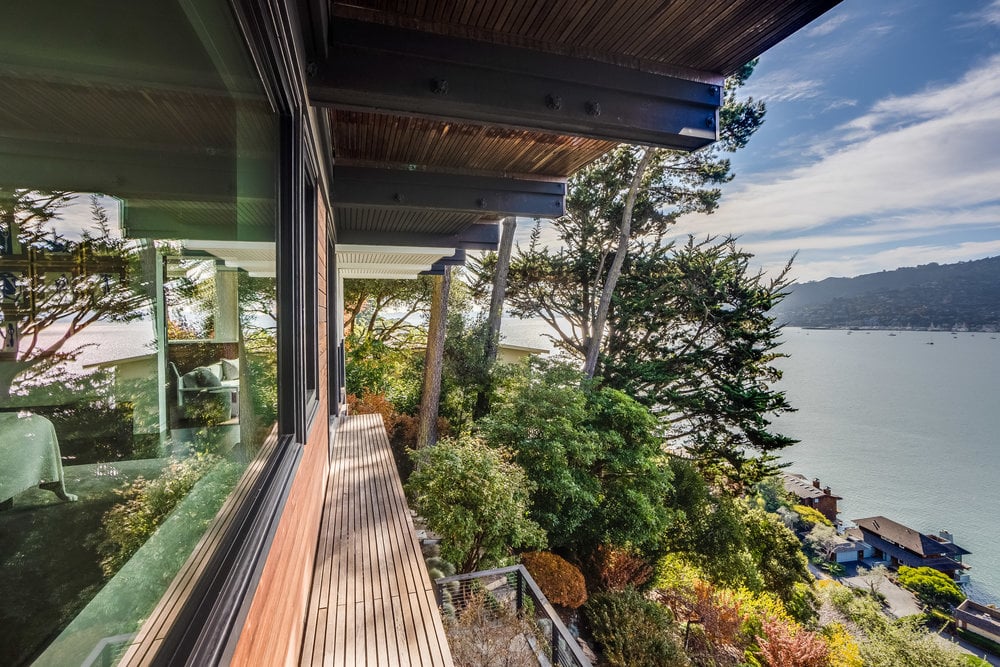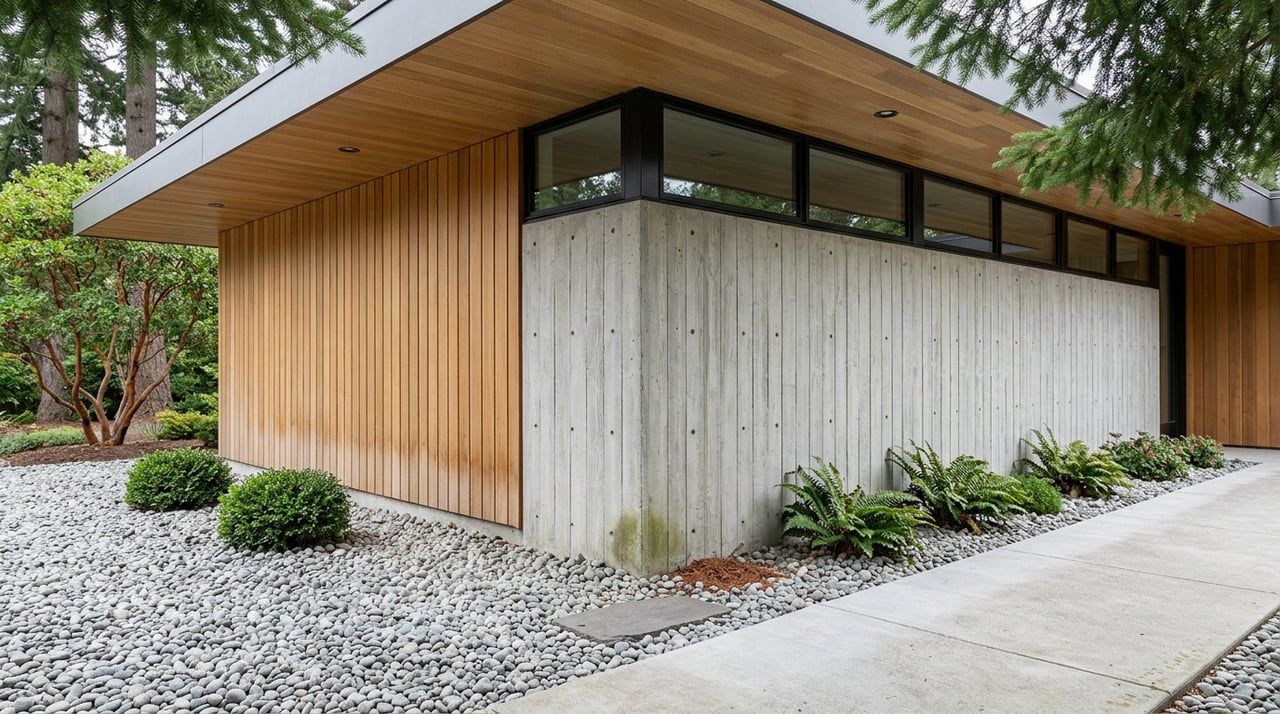
A wood gate touching the house. Bark mulch beneath a front window. A planter tucked under the eaves. Firewood stacked beside an exterior wall.
These can look like ordinary details when a Marin home is being prepared for sale. During a defensible-space review, they can become required work, buyer questions, insurance concerns, or terms that have to be resolved before closing.
That is how the first five feet around a home can affect its market position.
Zone 0 does not assign a statutory discount to a property, and there is no credible Marin sales study showing that a particular finding reduces value by a predictable percentage. The pricing mechanism is more practical: buyers account for visible work, uncertain costs, incomplete documentation, and obligations they may inherit after escrow.
For a seller, the opportunity is to remove that uncertainty before it reaches the offer table.
The Current Resale Rule And The Proposed Zone 0 Standards Are Different
Two related systems are often blended together in conversation. Sellers need to keep them separate.
AB 38 is the existing transaction requirement. Marin County states that sellers of properties in High or Very High Fire Hazard Severity Zones need a defensible-space inspection and must provide compliance documentation to the buyer. Some local jurisdictions conduct resale inspections beyond the basic AB 38 requirements.
California’s detailed Zone 0 standards are still being developed. As of July 15, 2026, the Board of Forestry and Fire Protection had published a new July draft for consideration at its July 23 meeting. The enacted framework comes from AB 3074, SB 504, AB 1455, and Public Resources Code Section 4291, but the detailed implementing standards were not yet final.
The distinction matters. A seller should not treat the July draft as the final Marin inspection checklist. At the same time, waiting for every detail to be finalized does not make the existing resale inspection process disappear.
The practical approach is to verify three things early:
- The property’s current hazard-zone designation.
- The fire agency with jurisdiction over the address.
- The inspection and documentation requirements in effect for that jurisdiction.
Marin County provides an address and assessor parcel number lookup for that first step.
The Five Feet Reprice Uncertainty, Not The House By Formula
An unresolved Zone 0 issue can enter a transaction through several doors.
It can become a repair request or credit
A buyer who sees combustible mulch, a wood gate attached to the structure, stored materials beside the house, or planting under the eaves may anticipate corrective work. Without a clear scope and supporting documentation, that buyer may build a larger cushion into the offer than the work ultimately requires.
It can affect the escrow calendar
California Civil Code Section 1102.19 describes the documentation mechanics. When the relevant jurisdiction provides inspections, seller documentation generally must have been obtained within the six months before the seller enters the transaction.
If the seller does not have compliance documentation, the parties must use a written agreement assigning responsibility to the buyer. Where no stricter local ordinance applies, the buyer generally has one year after closing to obtain the documentation.
That route can keep a sale moving, but it transfers an unresolved obligation. Buyers may respond by requesting a credit, revising other terms, or seeking more time for investigation.
The full requirements are available in California Civil Code Section 1102.19.
It can enter the insurance conversation
California’s Safer from Wildfires framework recognizes measures such as an ember-resistant five-foot zone, upgraded vents and roofs, vegetation maintenance, and community mitigation. A March 2026 Department of Insurance briefing described available wildfire-mitigation discounts ranging from approximately 4% to 40%, depending on the insurer and combination of measures.
Zone 0 work alone does not guarantee coverage or a specific discount. Still, buyers and their insurance professionals may ask for evidence of mitigation when evaluating a property. An organized file is more useful than a verbal assurance that the yard has been maintained.
It can change how the property presents
Zone 0 includes some of the most photographed parts of a home: the entry, foundation planting, gates, decks, and the transition from the house to the yard. Corrective work done at the last minute can look stripped down. Work planned before photography can support both defensible-space goals and a refined arrival experience.
That difference is a listing strategy issue. Compliance and presentation should be planned together rather than handled as separate projects.
What The July 2026 Draft Actually Proposes
The phrase “nothing within five feet” is an incomplete description of the latest state proposal.
The July 2026 Board of Forestry draft divides Zone 0 into an immediate noncombustible safety area and a remaining low-combustibility area.
Under that proposal, the immediate safety area would generally extend:
- At least one foot from the structure or to the eave dripline
- Two feet from windows, doors, and vents
- Five feet around attached decks and similar features
Outside those immediate buffers, but still within Zone 0, the proposal would allow certain well-maintained planting. Examples in the draft include spaced herbaceous flowers, bulbs, poppies, yarrow, beach strawberry, creeping thyme, some non-thatching succulents, maintained lawn, and small plants in movable noncombustible pots.
Existing trees could remain, subject to maintenance. Proposed measures include removing dead wood and ladder fuels, keeping branches 10 feet from chimneys, and maintaining clearance above roofs and around eaves. The draft would prohibit planting new trees within Zone 0 after the regulation takes effect.
The proposal also addresses several common property details:
- Combustible mulch, wood chips, leaves, firewood, and stored wood
- Wood fencing or gates where they connect to the house
- Vegetation beneath eaves or near openings
- Sheds and small outbuildings within Zone 0
- Debris on roofs and in gutters
A five-foot noncombustible section would be required where a fence or gate meets the home. Small outbuildings within Zone 0 would need noncombustible exterior walls and roofs under the proposal.
These are draft provisions as of July 15, 2026. Local fire agencies in Local Responsibility Areas could also propose approved alternatives based on factors such as lot size, topography, structure density, building materials, and response resources.
Marin Guidance Is Currently More Conservative
Marin County’s public guidance takes a simpler position. It recommends no vegetation in the full five-foot area, stone or gravel instead of combustible mulch, noncombustible outdoor furniture, and removal of stored materials. It also recommends a heavy rubber mat or metal grate instead of a natural-fiber doormat.
That county guidance was last updated on December 4, 2024. It is more restrictive than the state’s July 2026 draft, which would permit selected planting outside the immediate safety buffers.
A seller should not try to resolve the difference by choosing whichever version is easier. Ask the fire agency responsible for the property what it currently requires and what its inspector will document.
In Marin, The Address Controls The Assignment
The proposed statewide Zone 0 standards would apply in State Responsibility Areas and in Very High Fire Hazard Severity Zones within Local Responsibility Areas. They would not automatically apply to every property in Marin.
AB 38 resale requirements use High and Very High Fire Hazard Severity Zones. That difference is another reason to check the individual parcel rather than make assumptions based on a town or neighborhood name.
Southern Marin Fire Protection District adopted updated Fire Hazard Severity Zones on May 26, 2025 for its jurisdiction, which includes Mill Valley, Sausalito, Alto Richardson Bay, and portions of unincorporated Marin. Marin County’s Local Responsibility Area layers were ratified by the Board of Supervisors on June 24, 2025.
The Moderate, High, and Very High classifications describe hazard conditions. They do not predict what will happen to an individual home.
For sellers in Mill Valley, Tam Valley, Homestead Valley, Strawberry, and Alto, Marin’s local inspection infrastructure is a meaningful advantage. The Marin Wildfire Prevention Authority supports defensible-space and home-hardening evaluations across 17 member-agency jurisdictions. Southern Marin communities are supported by full-time inspectors, and many properties are evaluated on an approximately every-other-year schedule.
In 2025, MWPA tracked 24,475 defensible-space inspections. Marin County reported that 73% of residents reviewed their reports. That leaves a practical gap between having an evaluation completed and using it as a property-planning tool.
The Prelisting Sequence That Protects Pricing Power
The best time to address the first five feet is before staging, photography, and buyer diligence begin.
A clean report does more than document maintenance. It reduces the number of unknowns a buyer has to price into the offer.
A disciplined prelisting sequence looks like this:
- Check the parcel. Use the county lookup to confirm the designation and responsible fire agency.
- Retrieve the existing report. Marin Wildfire’s reports can include photographs, mapped findings, and prioritized required and recommended actions.
- Confirm current requirements. Ask the applicable agency which findings are enforceable now and which relate to guidance or proposed standards.
- Separate simple work from contractor work. Clearing gutters, moving stored firewood, and removing combustible items may be straightforward. Gates, fences, tree work, and outbuildings may require bids and more lead time.
- Coordinate the work with presentation. Plan hard materials, planting changes, and entry details before final staging and photography.
- Request reinspection when appropriate. Keep the updated report, invoices, photographs, and related records together.
- Start insurance discussions early. Buyers should evaluate coverage with a qualified insurance professional before contingency deadlines.
Marin Wildfire connects its property reports with Chipper Days and grant programs. Published award limits have changed across fiscal years, so sellers should check their current report or contact MWPA rather than budgeting around an older grant figure.
The local commitment is substantial. MWPA approved a $24.1 million fiscal-year budget and work plan on May 21, 2026, funded primarily through Measure C. More than $3 million was allocated to city and town reimbursements, resident grants, and direct assistance, with Zone 0, defensible space, and home hardening among the priorities.
Five Feet Can Be Managed Before It Becomes A Negotiation
Zone 0 does not create a universal discount for a Marin home. It creates a place where property condition, disclosure, local enforcement, buyer diligence, and insurance can meet at once.
That is why the first five feet deserve attention before the listing goes live.
For some properties, the work may be limited to moving materials, cleaning gutters, and changing mulch. Others may need coordinated tree work, a new gate section, or a more considered entry plan. There is no responsible standard cost estimate because each home, structure, and jurisdiction is different.
The consistent strategy is early verification. Know which rules apply, obtain the report, identify the real scope, and present buyers with organized documentation instead of an open question.
For a thoughtful premarket plan that coordinates inspections, preparation, presentation, and timing, Contact The Brody Team. Our family-led team combines four decades of local knowledge with hands-on project management and the marketing resources of Compass to help Marin sellers protect pricing power from the front door through closing.