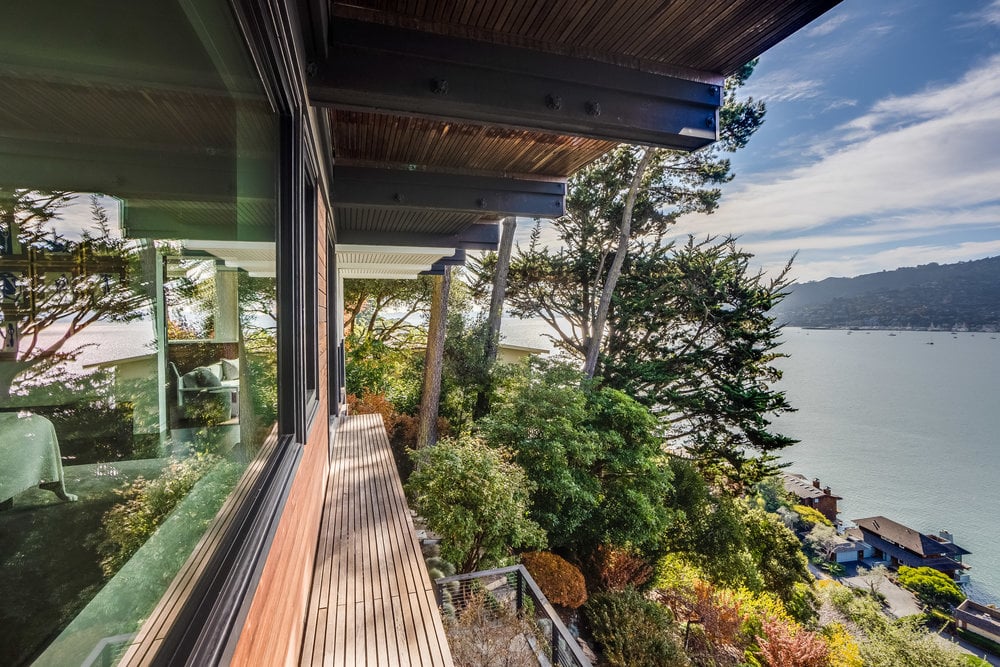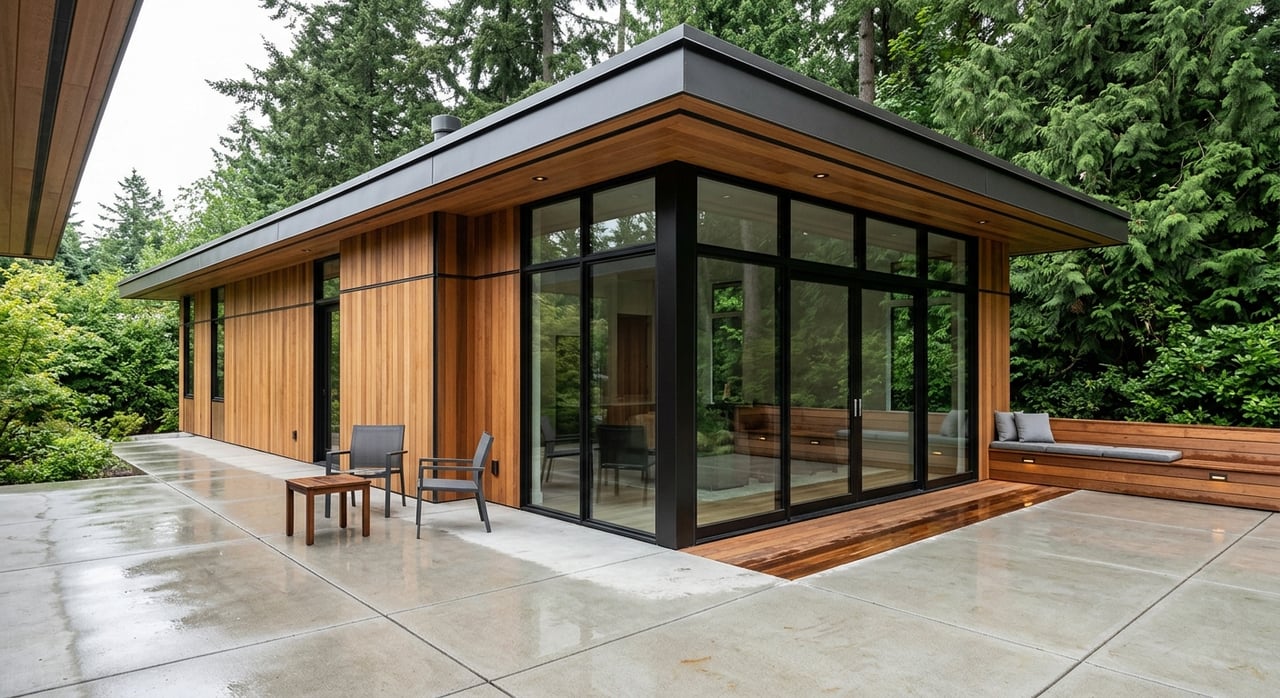
Wondering whether a Marin County home makes sense as your second residence? You are not alone. For many buyers, Marin offers a rare mix of quick access to San Francisco, beautiful open space, and a lifestyle that feels like a getaway without being far away. At the same time, second-home ownership here comes with real planning around taxes, wildfire readiness, insurance, and rental rules. If you are weighing convenience against carrying costs, this guide will help you think it through clearly. Let’s dive in.
Why Marin County stands out
Marin County appeals to second-home buyers for a simple reason: it offers a change of pace without feeling disconnected. If you want a home you can use often, not just a few times a year, that matters.
The county has direct access to San Francisco by way of the Golden Gate Bridge. Southbound tolls apply only when driving into San Francisco from Marin, and Golden Gate Ferry service connects Sausalito, Tiburon on weekdays, and Larkspur, with service intervals that vary by route, time, day, and season. For many buyers, that makes Marin feel more usable than a destination that requires a long drive or more complicated travel planning.
Outdoor access is a major draw
If your idea of a second home includes time outside, Marin offers a lot in a relatively compact area. Marin County Parks reports 39 parks and 34 open space preserves across 18,500 acres.
The Marin Open Space District describes preserves with fire roads, trails, redwood groves, scenic vistas, and waterfalls. Point Reyes National Seashore adds another major outdoor amenity, with 71,055 acres along the Pacific coast in Marin County. Together, these features help explain why Marin often appeals to buyers who want nature access without giving up proximity to the Bay Area.
What kind of second-home buyer fits Marin best?
Marin is often a strong fit if you want a second residence that is easy to reach and easy to enjoy regularly. It is less about total escape and more about convenience, flexibility, and access to the things that make Northern California special.
That can work well for buyers who want weekends near trails, coastline, and open space, while still staying connected to San Francisco and the broader Bay Area. It can also appeal to those who want a place for part-time living now and more frequent use later.
Costs go beyond the purchase price
A second home in Marin is not a maintenance-light ownership choice. Before you buy, it is important to understand the ongoing costs that continue long after closing.
Property taxes to plan for
Marin County explains that Proposition 13 limits the general property tax rate to 1% of assessed value, plus voter-approved local bonds. Assessed value generally can increase by no more than 2% per year.
That said, a purchase or new construction can trigger a supplemental assessment and a supplemental bill in addition to the regular annual tax bill. Annual secured property tax bills are mailed the first week of October, with installments due November 1 and February 1. For second-home buyers, that means taxes should be treated as a recurring carrying cost, not just a line item at closing.
Primary-residence exemptions usually do not apply
Marin County also notes that the homeowners exemption applies only when the property is the owner’s principal residence on January 1. A true second home generally does not qualify for that exemption.
For context, the county says the exemption can reduce assessed value by up to $7,000 for a qualifying primary home. That is not a huge number in the context of Marin pricing, but it is still worth understanding as you compare the real cost of owning a primary home versus a second residence.
Wildfire readiness matters in Marin
One of the most important realities of owning in Marin is wildfire preparedness. California’s seasonally dry Mediterranean climate supports wildfire risk, and CAL FIRE classifies hazard zones as moderate, high, or very high.
If you are considering a home near open space, on a hillside, or in a more vegetation-rich setting, wildfire readiness should be part of your ownership planning from day one. This is not just about safety. It also affects maintenance routines, budgeting, and sometimes insurance conversations.
Defensible space and home hardening
CAL FIRE says defensible space of 100 feet from structures is required. Marin County fire officials also emphasize vegetation management and home hardening, while county open-space programs include fire-risk reduction work.
For a second-home owner, that often means you need a reliable plan for ongoing landscaping and upkeep, especially when you are not at the property full time. A beautiful wooded setting can be part of the appeal, but it usually comes with responsibility.
Insurance needs extra attention
The California Department of Insurance says CAL FIRE hazard maps do not determine insurance rates or availability. Insurers use their own wildfire catastrophe models.
The department also highlights wildfire mitigation steps, including a 5-foot ember-resistant zone, as measures that can support home safety and insurability. In practical terms, you should think about insurance early in the buying process, not after you fall in love with a property.
Rental income may not be simple
Some buyers hope to offset costs by renting out a second home occasionally. In Marin, that idea needs careful review before you build it into your budget.
Short-term rentals are tightly regulated
Marin County says that in unincorporated Marin, property owners who rent a residential unit for fewer than 30 days should obtain a Short-Term Rental license, a Business License, and a Transient Occupancy Tax certificate. The county’s updated short-term rental ordinance also sets a countywide limit of 1,200 licenses, limits short-term rentals to one per operator, requires renewal every two years, and imposes stricter caps in some coastal communities.
Certain property types are exempt or treated differently, so the exact rules depend on the parcel and use. The key takeaway is simple: Marin is not a plug-and-play short-term rental market.
Jurisdiction matters
Rules can vary depending on whether the property is in a city, town, or unincorporated area. That means you should verify the exact local jurisdiction before assuming occasional rental income is part of your ownership strategy.
If you plan to use the home mostly for yourself but want flexibility, local licensing rules, occupancy taxes, and license caps can all affect the math. It is far better to confirm those details upfront than to discover limits after closing.
How the market looks right now
If you are considering Marin as a second-home market, current pricing and pace matter. Available data suggests a high-priced market that remains active.
Redfin’s February 2026 Marin County data show a median sale price of $1.357 million, 31 median days on market, and 164 homes sold. Realtor.com’s February 2026 summary shows 540 active for-sale listings, a median listing price of $1.35 million, 29 median days on market, and a sales-to-list-price ratio of 100 percent, and it labeled Marin County a seller’s market in that period.
No single snapshot tells the whole story, but together these numbers point to a market where homes can still move quickly in some segments. If you are shopping for a second residence, preparation matters.
Questions to ask before you buy
A Marin County second home can be a smart lifestyle move, but only if it fits how you plan to use it. Before moving forward, ask yourself a few practical questions:
- How often will you realistically use the home each month or season?
- Do you want easy access to San Francisco, outdoor amenities, or both?
- Are you comfortable budgeting for taxes, insurance, and ongoing fire-related maintenance?
- Would you want the option to rent the property, and have you confirmed the local rules?
- Do you prefer a lock-and-leave setup, or are you open to more hands-on upkeep?
The answers can help you decide whether Marin is the right second-home market for you, or whether your goals call for a different type of property or location.
So, is a Marin County home right for your second residence?
For the right buyer, yes. Marin offers a rare combination of convenience, scenery, open space, and Bay Area access that can make a second home feel both practical and rewarding.
But it is not the right fit if you are looking for a low-cost, low-maintenance, or rental-friendly vacation property. Ownership here usually requires thoughtful budgeting, attention to wildfire readiness, and careful review of local rules.
If you want a second residence you can reach easily, use often, and enjoy for its access to Marin’s trails, parks, coastline, and communities, this market is worth serious consideration. The key is buying with a clear plan and local guidance that matches the way you actually want to live.
If you are exploring a second home in Mill Valley or elsewhere in Marin, Beth Brody can help you evaluate neighborhoods, ownership considerations, and discreet buying opportunities with the kind of local perspective that only comes from decades in the community.
FAQs
Is Marin County a good place for a second home near San Francisco?
- Marin County can be a strong choice if you want close access to San Francisco plus easy access to parks, open space, and the coastline.
What property tax issues matter for a Marin County second home?
- Marin County says Proposition 13 limits the general property tax rate to 1% of assessed value plus voter-approved local bonds, and a purchase can trigger a supplemental assessment and bill.
Does a second home in Marin County qualify for the homeowners exemption?
- Generally no. Marin County says the homeowners exemption applies to a property that is your principal residence on January 1.
Are short-term rentals allowed for a Marin County second residence?
- In unincorporated Marin, short-term rentals are regulated and may require a Short-Term Rental license, Business License, and Transient Occupancy Tax certificate, with additional limits that depend on the property and area.
How important is wildfire preparation for a Marin County second home?
- It is very important. CAL FIRE requires 100 feet of defensible space from structures, and wildfire readiness can affect maintenance planning, safety, and insurance discussions.
Is Marin County an easy second-home market to buy into?
- Marin can be appealing, but it is not a low-friction market. Buyers should plan for higher pricing, carrying costs, wildfire-related upkeep, and local rental restrictions.