In Mill Valley and San Rafael, the hill you live on or the flat street you walk every day can quietly add or subtract six figures from a home’s value. If you’ve ever wondered why two similar homes price so differently, topography is a big part of the story. You want a home that fits your lifestyle and holds its value. This guide shows you how hillsides and flats shape price, risk, and daily living so you can buy or sell with confidence. Let’s dive in.
Five ways terrain shapes value
Views: scarce and prized
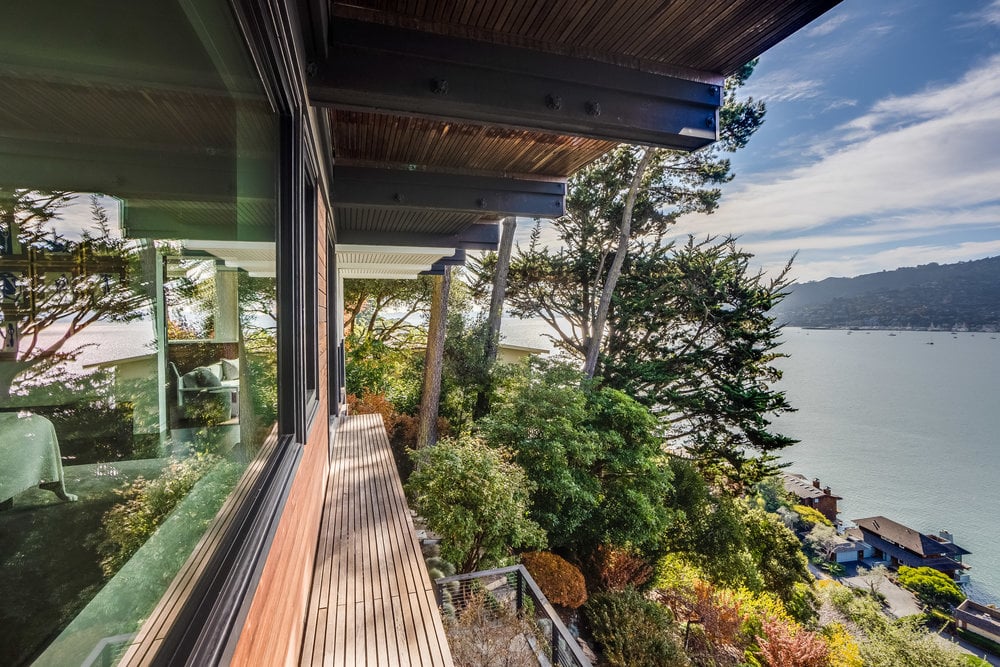
Hillsides often deliver the postcard moments: Bay, Mt. Tamalpais, ridge and canyon vistas. Academic research shows that high‑quality water or mountain views can command meaningful premiums, while more common scenic views tend to add smaller, single‑digit to low‑teens percentages. The magnitude depends on quality, distance, and whether the view is protected from future obstruction. You should always weigh the permanence of the view when assessing price potential. This well‑known hedonic study explains why quality and scarcity matter so much.
Local listing data mirrors that pattern. Homes marketed with notable views in Marin often trade in higher bands, and you can see this signal by scanning neighborhood medians and view‑filtered sets on Marin County market pages. The key is durability: if trees or likely future construction can block the view, the premium can fade.
Privacy, noise, and microclimate
Hillside and canyon streets can feel more secluded with less through‑traffic, which many buyers value for quiet and privacy. Flats closer to downtown or bayside corridors typically have more activity and ambient noise. Sun and shade also shift by slope and orientation, shaping how you use decks and outdoor rooms. These lifestyle features show up in price per square foot when they align with buyer preferences in a given season and market cycle.
Buildability and permit friction
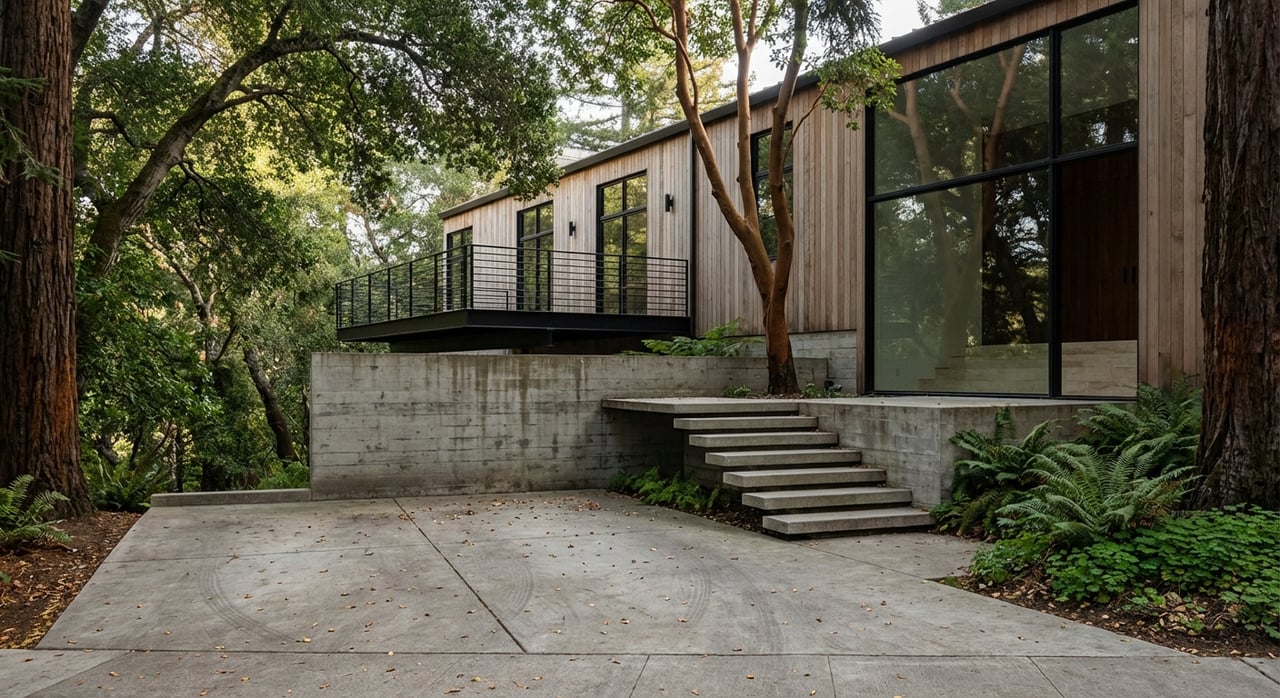
Steep lots often require geotechnical studies, engineered foundations, retaining walls, drainage design, and grading permits. Those items add cost and time to any expansion or major renovation. Marin County highlights when grading permits and engineered plans are required, which is a practical starting point for scoping scope, budget, and timeline. Review Marin County Public Works grading and permit requirements to understand typical triggers and fees.
The net effect is simple: a spectacular view can be offset by expensive site work or tight buildable area. Two otherwise similar homes can price very differently once you factor the true cost to achieve your ideal layout.
Fire, access, and insurance
Updated wildfire mapping and local adoption have reshaped due diligence in many Mill Valley and San Rafael hillsides and canyons. Parcels inside Moderate, High, or Very High Fire Hazard Severity Zones face different standards for vegetation management, resale requirements, and in some cases construction features. Start with the county’s overview of CAL FIRE’s FHSZ maps and local process to understand current designations.
Insurance availability is a major consideration. Some properties in higher‑hazard areas rely on the FAIR Plan or face higher premiums. The Department of Insurance posts updates on market shifts and consumer protections, including recent actions to stabilize availability. See the California Department of Insurance for current context, and review how coverage limits and pricing can influence buyer demand. For a Marin‑specific snapshot of recent challenges, this consumer resource summarizes insurer withdrawals and FAIR Plan realities in high‑hazard zones in Marin.
Access rules also matter. Driveway width, slope, vertical clearance, and turnarounds can affect feasibility for new work, ADUs, or lot splits in hillside settings. Mill Valley’s code outlines minimums for access and hydrant proximity that can add cost or limit options. Review Mill Valley’s municipal code standards early if you plan to build or subdivide.
Flood and sea level on bayside flats
In low‑lying flats near Richardson Bay, tidelands, or creeks, flood exposure and sea‑level‑rise scenarios can influence long‑term value and insurance. Start with the Marin Sea Level Rise Viewer to see parcel and street overlays. San Rafael’s canal and harbor districts are examples where flood and subsidence risks are more pronounced, which can impact financing, insurance, and future adaptation costs.
Everyday convenience and walkability
Flatter, in‑town pockets near downtown Mill Valley and select bayside neighborhoods usually offer easier access to shops, cafes, parks, and transit. That lifestyle convenience drives persistent demand and often supports premium pricing for the limited supply of level lots with usable yards. You can see the contrast in Mill Valley’s Walk Score profile, where downtown blocks and adjacent flats score higher than many hill streets.
What local data says right now
Mill Valley snapshot
Market medians remain high, reflecting a combination of in‑town scarcity and scenic amenities. As a recent reference point, Redfin’s Mill Valley page shows a median sale price around the two‑million range early this year. Within Mill Valley, neighborhood medians vary meaningfully. Hillside or canyon pockets can price above or below the city median depending on recent sales, lot usability, access, and view permanence. You can see micro‑market differences on specific neighborhood pages, such as Cascade Canyon, but always treat medians as directional.
San Rafael micro‑markets
San Rafael spans hillside, mid‑slope, downtown, and bayside flats with very different profiles. Medians vary widely across neighborhoods, reflecting terrain, access, and amenities. Review San Rafael’s overall housing market and sample submarket pages like North San Rafael to spot patterns before you settle on comps that match your property’s topography and features.
Hillside or flat: a simple decision framework
- You prize quiet, privacy, and views: a hillside or canyon location often fits. Validate access, fire designation, insurance availability, and buildability before pricing the view premium.
- You want walkability, quick errands, and easy commuting: an in‑town flat near downtown Mill Valley or closer‑in San Rafael neighborhoods may be a better match. Screen for flood and sea‑level exposure where relevant.
- You plan to expand or add an ADU: flatter lots are usually simpler and more cost‑effective to reconfigure. On hillsides, geotechnical, grading, and access standards can add time and cost.
- You are sensitivity‑driven on ongoing costs: hillside owners often budget for vegetation management, drainage, and retaining wall maintenance. Flats in flood‑prone areas plan for floodproofing and insurance.
Due diligence checklist before you write an offer
Hazard and insurance
- Pull the latest FHSZ map for the parcel and note any local fire‑district requirements. Start here: Marin’s FHSZ overview.
- Ask for current insurance quotes and any declination history. Read state updates on market changes at the California Department of Insurance.
Buildability and permits
- Request geotechnical reports, grading and retaining‑wall permits, and drainage plans. Confirm that past work was permitted and finaled. See Marin Public Works grading guidance.
Access and emergency response
- Measure driveway length, slope, width, vertical clearance, and turnaround. For new work, review Mill Valley access and fire standards.
Utilities and sewage
- Confirm water and sewer districts and whether the home is on public sewer or septic. Start with Marin LAFCo’s service district resources.
Flood and sea level
- Check the Marin Sea Level Rise Viewer and FEMA flood layers. If applicable, request an elevation certificate and current flood‑insurance quote.
View permanence and comps
- Ask which parcels sit between the home and the view target. Verify zoning and recent permits for those parcels. Remember, the view premium literature shows quality and durability drive value.
Ongoing maintenance
- Hillsides: plan for vegetation management, drainage upkeep, and periodic retaining wall evaluations. Flats in exposure zones: plan for floodproofing measures and pumps where relevant.
Local comps by topology
- Compare like with like. Use neighborhood pages for signals, but price off comps that match slope, access, view, and lot usability. Start broad on Mill Valley’s market page and then narrow to micro‑locations.
How this plays out for sellers
- Document the asset: map your view corridors, trimming easements, and any improvements that protect view durability. Organized files help buyers price the premium confidently.
- Get ahead of risk: provide recent defensible‑space work, FHSZ map printouts, and current insurance quotes. Transparency builds trust in hillside and canyon settings.
- Make access easy: if your driveway, steps, or parking are challenging, stage the showing experience with clear wayfinding and lighting. If you have compliant access features, highlight them with code citations.
- Permit the work: finalize open permits for grading, retaining walls, decks, and drainage. Buyers discount unresolved site items, especially on steeper lots.
- Match comps to topology: your pricing story lands faster when it compares to true peers on slope, access, view, and lot usability.
Three quick scenarios
- Hillside, premium view, strong access: A Mill Valley ridge home with a permanent Bay view, compliant driveway, and current private insurance often earns a robust premium. Fire‑wise landscaping and clean permit history support buyer confidence.
- Hillside, steep access, high hazard: A dramatic view can be offset by a narrow, steep drive, Very High FHSZ designation, and FAIR Plan reliance. Expect a smaller pool of buyers and stronger pricing discipline.
- In‑town flat, walkable: A downtown Mill Valley home with a level yard and high walkability can rival or exceed some hillside prices. In low‑lying bayside pockets, flood overlays and insurance costs may temper premiums.
Ready to compare properties like a local?
If you are torn between a serene hillside and an in‑town flat, a data‑backed walkthrough can make the decision clear. Our team pairs hyperlocal market knowledge with a disciplined checklist for views, access, hazard maps, permits, and insurance. We also tap Compass programs for discreet opportunities and premium preparation for sellers. For a calm, expert path to your next move, connect with Beth Brody.
FAQs
Do hillside homes in Mill Valley always sell for more?
- Not always; view and privacy can add value, but access, buildability costs, and hazard or insurance factors can offset or exceed that premium.
How do the new wildfire hazard maps affect buying in Marin?
- Parcels in Moderate, High, or Very High zones may face extra requirements and insurance impacts; start with the county’s FHSZ overview.
Can I easily expand a hillside home in Mill Valley?
- It depends; many hillside projects need geotechnical work, grading permits, and engineered solutions that add cost and time per Marin Public Works guidance and Mill Valley code.
What should I check for flood risk on a flat lot in San Rafael?
- Review the Marin Sea Level Rise Viewer, FEMA layers, and request elevation certificates and current flood‑insurance quotes.
How much is a view worth in Mill Valley?
- There is no fixed number; research shows premiums range widely based on quality and permanence, so pair the view premium literature with local comps.
How does insurance availability affect home value in hillside areas?
- Limited private insurance or FAIR Plan reliance can shrink the buyer pool and pressure pricing; see context from the California Department of Insurance and Marin consumer resources like this overview.